General trading solutions covering import, export, wholesale, retail, procurement, logistics, and supply chain support.
General trading is a broad term that encompasses the buying, selling, and distribution of a wide range of goods and services across various industries and markets.
General trading refers to the business activities involved in trading a diverse range of products and services, not limited to a specific category or industry.
It includes the import, export, wholesale, and retail of goods.
General trading companies often deal with multiple types of products, from consumer goods to industrial supplies, across different sectors.
Definition: Selling goods in large quantities to other businesses, such as retailers or distributors.
Characteristics: Typically involves bulk purchases at lower prices and selling at a profit margin.
Definition: Selling products directly to consumers.
Characteristics: Involves smaller quantities per transaction compared to wholesale and often includes customer service and marketing.
Import: Bringing goods into a country from overseas.
Export: Selling domestic goods to foreign markets.
Characteristics: Involves navigating international trade regulations, customs, and tariffs.
Definition: Conducting trading activities through online platforms.
Characteristics: Includes online retail, B2B marketplaces, and digital sales channels.
Definition: Focused on specific product categories or industries but still involves general trading principles.
Characteristics: Examples include trading in electronics, textiles, or industrial machinery.
Finding Suppliers: Identifying and negotiating with suppliers to acquire products.
Quality Control: Ensuring products meet required standards and specifications.
Market Research: Understanding market trends and customer needs.
Sales Strategies: Developing pricing strategies, promotions, and sales channels.
Warehousing: Storing goods before they are sold or distributed.
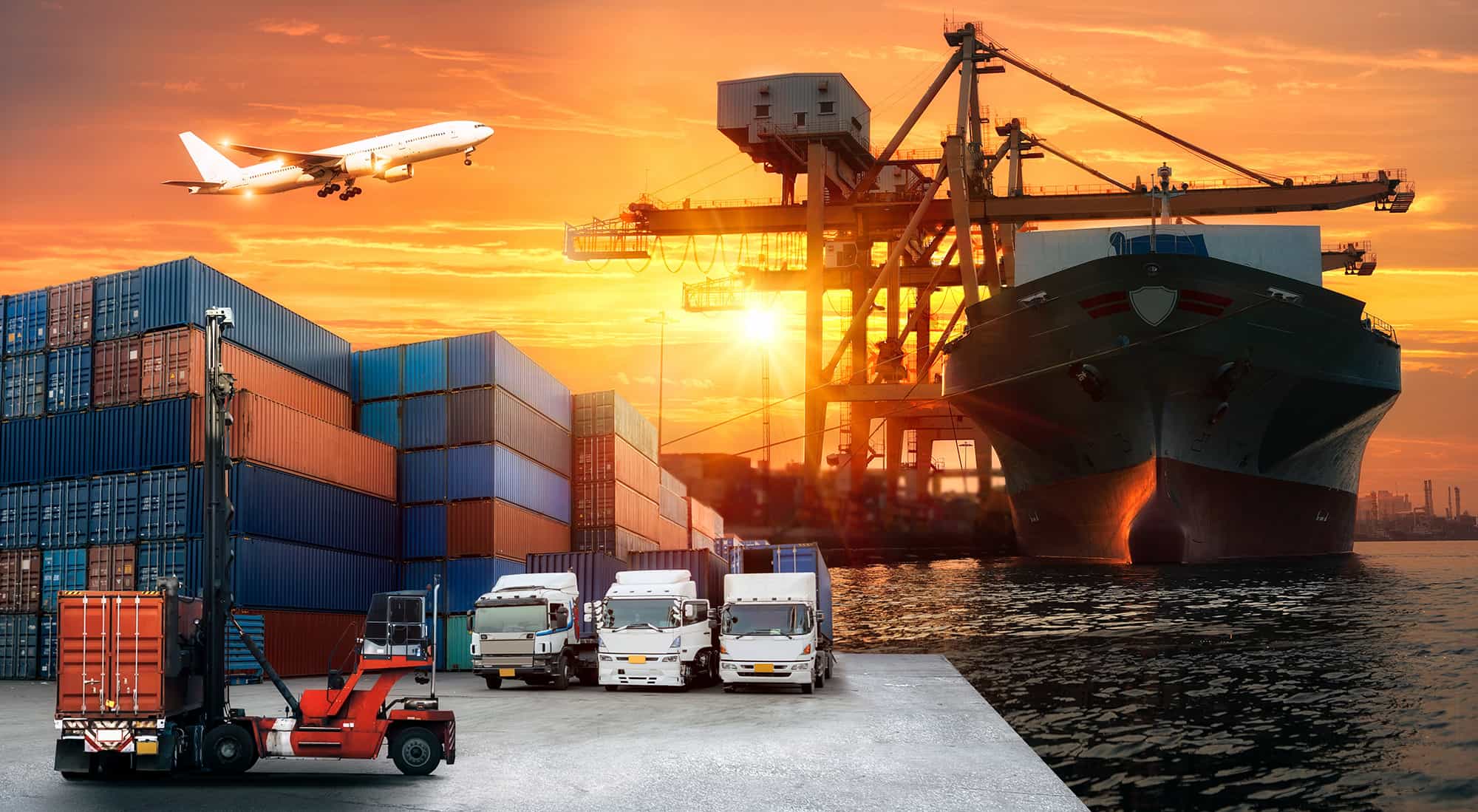
Shipping and Handling: Managing transportation of goods, including logistics for international trade.
Budgeting: Managing finances to ensure profitability.
Invoicing and Payments: Handling transactions, invoicing clients, and managing accounts receivable and payable.
Trade Regulations: Adhering to local and international trade laws and regulations.
Customs Procedures: Ensuring compliance with import/export requirements and tariffs.
Diversification: Offering a wide product range and expanding into different regions or customer segments.
Building Relationships: Establishing strong supplier relationships and customer relationships through service and support.
Technology Integration: Using e-commerce platforms and inventory management systems.
Market Analysis: Studying competitors, consumer trends, and market preferences.
Risk Management: Insurance for goods in transit and contingency planning for supply chain disruptions.
Market Fluctuations: Managing price volatility, demand variability, and changing market conditions.
Regulatory Barriers: Handling compliance, tariffs, duties, and international trade requirements.
Supply Chain Issues: Coordinating transport, avoiding delays, and balancing inventory levels.
Competition: Maintaining a competitive edge, innovation, and adapting to customer needs.
General trading is a crucial component of global commerce and involves multiple aspects from procurement to sales, logistics, compliance, and long-term supply chain management.